Best Bare Shaft Ball Valves for Global Buyers?
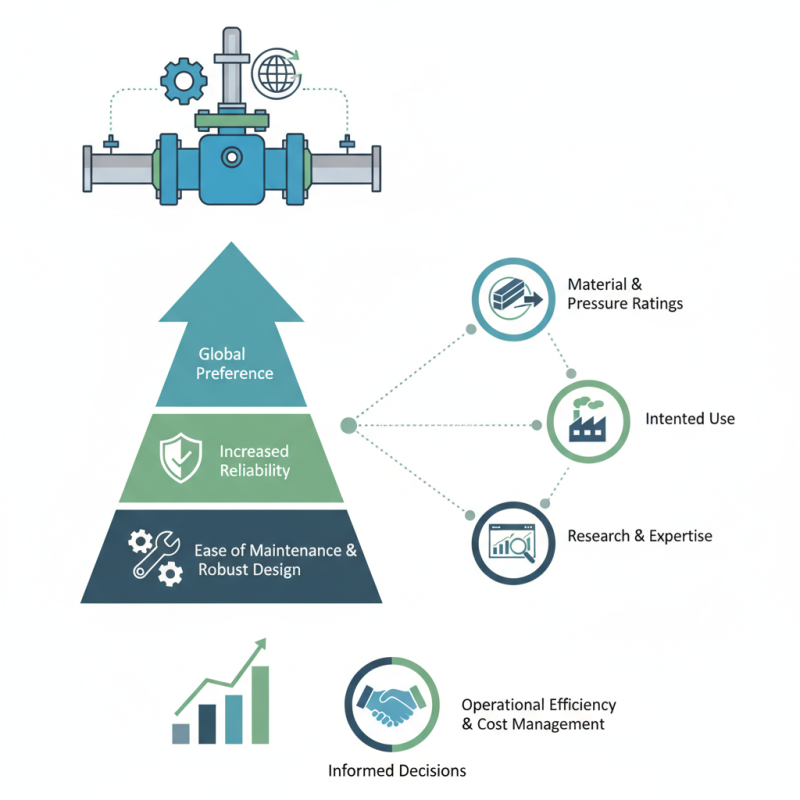
In the realm of fluid control, Bare Shaft Ball Valves stand out as pivotal components in various industrial applications. These valves offer significant advantages, including ease of maintenance and a robust design. Their simplicity often leads to increased reliability, making them a preferred choice among engineers and buyers globally.
However, not every Bare Shaft Ball Valve is created equal. The market is rife with options, making it challenging to select the best. Factors such as material, pressure ratings, and intended use must be considered. Global buyers should approach their acquisition with thorough research and expertise to ensure the best outcomes.
While many manufacturers claim to provide top-tier valves, it is vital to scrutinize their credibility. Every purchase should be backed by reliable data and positive user experiences. In this competitive landscape, informed decisions can greatly impact operational efficiency and cost management in long-term projects.
Overview of Bare Shaft Ball Valves in the Global Market
Bare shaft ball valves are pivotal in various industrial applications globally. Their design enables improved flow control, which is essential in many processes. These valves offer durability and efficiency, making them suitable for sectors like oil and gas, water treatment, and chemical processing.
In the global market, the demand for bare shaft ball valves is rising. Manufacturers focus on creating high-quality products that meet international standards. Optimal performance is crucial, but some manufacturers struggle with quality consistency. Buyers often look for reliability, which is paramount in critical applications.
Market trends indicate a shift towards more advanced materials and technologies. While innovation drives progress, not all advancements are flawless. Buyers must remain vigilant and assess the features before making a purchase. The global landscape is competitive, yet it is essential to ensure that each valve meets specific operational needs.
Key Features to Consider When Selecting Bare Shaft Ball Valves
When selecting bare shaft ball valves, several key features should be paramount in your decision-making process. First, consider the materials used in the valve construction. Stainless steel and carbon steel are popular choices due to their durability and corrosion resistance. The choice of material impacts not only the valve's lifespan but also its performance in various environments.
Another aspect to evaluate is the valve's design. Look for valves with a blowout-proof stem and ergonomic handles for better control. These features enhance safety and ease of use, especially in high-pressure applications. Additionally, check the valve sizing. A valve that is too large or too small may not function effectively, leading to potential issues in your system.
It's essential to understand the flow characteristics of the valve. A poorly designed valve can create turbulence or restrict flow. Monitoring the valve's pressure rating and temperature range is also critical. Often, buyers overlook these factors, which can lead to premature failure or inefficiency. Understanding your specific requirements is crucial, as not all bare shaft ball valves are created equal.
Leading Manufacturers of Bare Shaft Ball Valves Worldwide
When exploring bare shaft ball valves, understanding the leading manufacturers is essential. These manufacturers prioritize innovation, offering products that meet diverse industry needs. They focus on quality materials, ensuring durability and reliability. The result is a wide range of valves suited for various applications, from oil and gas to water management.
Tips: Always evaluate the manufacturer's track record. Look for reviews and case studies to gauge reliability. A reputable manufacturer often has a history of consistent quality and customer satisfaction.
Many companies in this sector are committed to sustainability. They are producing eco-friendly valves that reduce environmental impact. This trend reflects the growing importance of sustainable practices in manufacturing. As buyers, it’s critical to consider how products can align with your values.
Tips: Request a sustainability report from manufacturers. This document can reveal their environmental practices. Transparency is a good sign of a responsible manufacturer.
Choosing the right manufacturer may include asking tough questions. Not every company will meet your specific needs. Assess their technical support and customer service. You should feel confident in your purchase.
Comparison of Materials Used in Bare Shaft Ball Valve Construction
When selecting bare shaft ball valves, the materials used in construction are crucial. Traditionally, stainless steel is the top choice due to its excellent corrosion resistance. Reports indicate that around 70% of ball valves in industrial applications utilize stainless steel. It provides durability and maintains integrity in harsh environments.
However, not all stainless steel types are equal. A5026 report highlights that 316 stainless steel outperforms 304 in saline environments. Still, some industries are exploring alternatives like brass and plastic. These materials can be lighter and cheaper, but they may not withstand high temperatures or pressures effectively.
Moreover, the process of welding, machining, and assembly impacts material selection. The complexity of your valve application should guide choices. For example, a valve for chemical processing might require specialized alloys. This approach can significantly enhance performance but may increase costs. Industry experts urge designers to weigh materials against long-term performance needs. Being aware of trade-offs can lead to better decision-making.
Best Bare Shaft Ball Valves for Global Buyers
| Material | Temperature Range (°C) | Pressure Rating (PSI) | Connection Type | Applications |
| Stainless Steel | -196 to 600 | 1500 | Flanged | Oil & Gas, Water Treatment |
| Carbon Steel | -20 to 425 | 3000 | Socket Weld | Chemical Processing, Power Plants |
| PVC | 0 to 60 | 150 | Threaded | Aquaculture, Irrigation |
| Brass | -20 to 120 | 500 | Compression | Plumbing, HVAC Systems |
| Duplex Stainless Steel | -50 to 250 | 3000 | Welded | Marine, Chemical Industries |
Applications and Industries Utilizing Bare Shaft Ball Valves
Bare shaft ball valves have versatile applications across various industries. They are commonly used in oil and gas distribution. Their strong design allows for effective flow control. This is crucial in high-pressure environments. Additionally, they are found in water treatment facilities. Here, they help manage water flow efficiently.
In the chemical industry, bare shaft ball valves are vital. They can handle corrosive substances due to their durable materials. This makes them a reliable choice for transporting chemicals. Manufacturing needs these valves for precise operations. However, engineers must ensure proper installation. Misalignment can cause leaks.
Bare shaft ball valves are also used in food processing. They help maintain hygiene standards. Clean and efficient flow is critical in this sector. Yet, regular maintenance is necessary to avoid contamination. Users must stay vigilant about wear and tear. This reflects the importance of reliable systems in demanding industries.