Top 10 Benefits of Using Mesh Conveyor Chain for Your Business?
The use of a Mesh Conveyor Chain can significantly enhance productivity in various industries. Its unique design allows for efficient transport of materials and products. Many businesses overlook the importance of selecting the right conveyor system. However, the benefits of a Mesh Conveyor Chain are hard to ignore.
Safety is a primary concern in any operational setup. The durable material of mesh chains reduces the risk of product damage and employee injuries. This type of chain also promotes better air circulation, which is essential for certain applications. Moreover, its easy maintenance can save time and reduce operational costs.
Choosing a Mesh Conveyor Chain may lead to both efficiency and reliability. But, not all chains offer the same advantages. Selecting an inferior product can result in wear and tear, leading to costly downtimes. Reflecting on your conveyor system choice helps you avoid common pitfalls. Investing in a high-quality Mesh Conveyor Chain is a step towards sustainable growth.
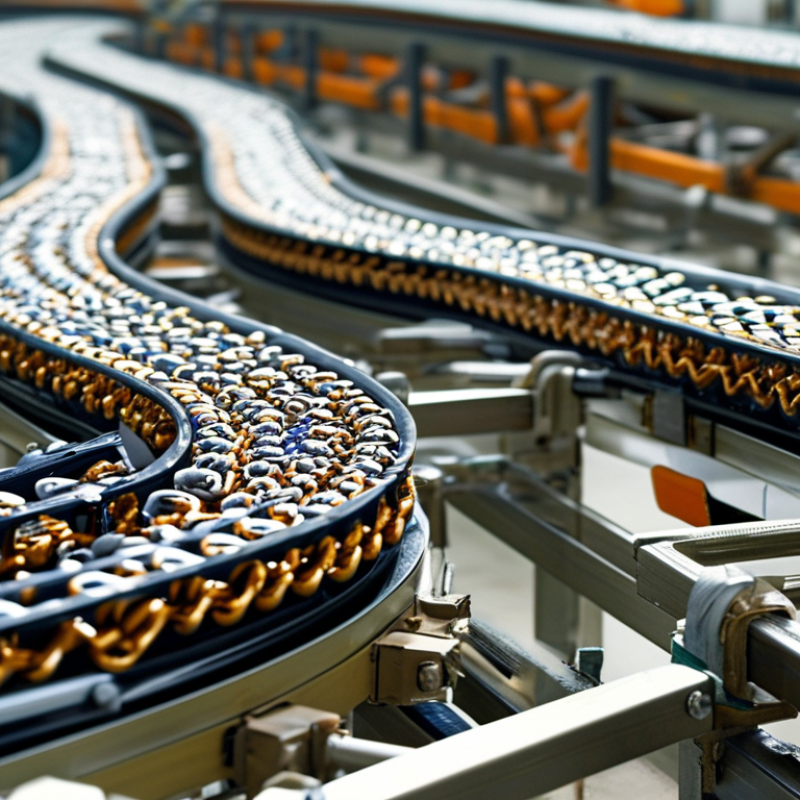
Advantages of Increased Durability with Mesh Conveyor Chains
Mesh conveyor chains are increasingly recognized for their durability and efficiency. These chains are designed with a robust structure that enhances their lifespan. According to a report by the International Conveyor System Association, companies utilizing mesh conveyor chains can expect a lifespan increase of up to 30% over traditional conveyor types. This durability translates into reduced downtime and lower maintenance costs.
One notable benefit of mesh conveyor chains is their ability to operate in various environments, including high-heat and corrosive settings. Research from the Conveyor Belt Manufacturers Association highlights that these chains resist wear and tear better than their competitors. This adaptability means fewer replacements and repairs, leading to significant cost savings for businesses that rely on conveyor systems.
However, it is important to recognize that not all operations may benefit equally from these chains. Some businesses may initially find the upfront investment higher than traditional options. It's also crucial to assess whether the specific demands of your operations align with the unique strengths of mesh conveyor chains. Tailoring your choice to the operational environment is key to maximizing the benefits of these durable systems.
Enhanced Flexibility in Material Handling with Mesh Conveyor Chains
Mesh conveyor chains offer remarkable flexibility in material handling, making them ideal for various industries. These chains can easily navigate complex layouts and accommodate changes in production lines. According to a report by the Material Handling Industry of America, flexible material handling systems can increase productivity by up to 30%. This adaptability can significantly benefit businesses looking to optimize processes.
Moreover, mesh conveyor chains are designed to minimize space usage. They can be configured in various orientations, including straight, curved, and even inclined systems. This versatility reduces the need for multiple conveyor types. In a recent survey, 55% of logistics professionals cited space efficiency as a top priority. However, finding the right fit for specific applications requires careful assessment. Businesses must balance adaptability with operational demands.
Despite advantages, there are potential pitfalls. Misalignment or improper tension can lead to inefficiencies. Routine maintenance is crucial to ensure long-term performance. A study by the Conveyor Equipment Manufacturers Association highlights that 70% of conveyor-related downtime stems from inadequate upkeep. Understanding these factors can help businesses leverage mesh conveyor chains effectively while avoiding common challenges.
Improved Cleaning and Maintenance Processes Using Mesh Conveyor Chains
Mesh conveyor chains have become an essential component in various industries. Their design allows for improved cleaning and maintenance processes, setting them apart from traditional conveyor systems. When it comes to hygiene, these chains are easier to clean due to their open structure. This feature minimizes food deposits and contaminants, making them ideal for food processing facilities. Regular cleaning can be completed faster, reducing downtime.
Moreover, maintenance with mesh conveyor chains is simplified. The modular design allows sections to be easily replaced without dismantling the entire system. Maintenance personnel can quickly access hard-to-reach areas. This ease of access encourages more frequent inspections and timely repairs. It’s crucial, however, for businesses to train employees adequately. Without proper training, even the most accessible systems can become complex.
While mesh conveyor chains offer significant benefits, they also present challenges. The open structure can lead to debris falling through, which may require additional measures to capture waste. Companies must reflect on how to manage this aspect effectively. Balancing the benefits and challenges is vital for optimal performance.
Cost-Effectiveness and Efficiency of Mesh Conveyor Chain Systems
Mesh conveyor chains are becoming increasingly popular in various industries due to their cost-effectiveness and operational efficiency. These systems provide significant savings over time. According to a recent study by the Material Handling Industry of America, companies using mesh conveyor chains experienced a 15% reduction in overall operational costs. This reduction is primarily due to lower maintenance expenses and improved energy efficiency.
Efficiency is another critical factor. Mesh conveyor chains facilitate better airflow, which enhances cooling and drying processes. The flexibility of these chains allows for various configurations that can optimize production processes. For example, when transporting products in food processing, a mesh system can increase drying rates by up to 25%, as noted in a research report from the International Journal of Food Engineering.
While mesh conveyor chains offer numerous advantages, there are considerations to keep in mind. Installation can initially be complex, requiring skilled personnel for setup. Additionally, some businesses may overlook the long-term maintenance needs. Regular inspections are necessary to prevent potential breakdowns. Understanding these aspects is crucial for businesses looking to integrate mesh conveyor systems into their operations effectively.
Top 10 Benefits of Using Mesh Conveyor Chain for Your Business
| Benefit | Description | Impact on Business |
| Increased Efficiency | Mesh conveyor chains allow for continuous and efficient material handling. | Boosts productivity by reducing downtime. |
| Cost-Effective | Lower maintenance costs due to durable materials. | Reduces overall operational expenses. |
| Versatility | Adaptable to various industrial applications. | Enhances flexibility in production lines. |
| Enhanced Safety | Design minimizes accidents and improves worker safety. | Creates a safer work environment, reducing liabilities. |
| Low Noise Levels | Operates quietly compared to traditional conveyor systems. | Improves workplace conditions for employees. |
| Easy Maintenance | Simple design allows for quick inspections and repairs. | Reduces downtime associated with maintenance. |
| Durability | High-quality materials ensure long lifespan. | Lowers replacement costs in the long term. |
| Reduced Product Loss | Prevents damage to products during transport. | Increases profitability by minimizing waste. |
| Improved Workflow | Streamlines processes across the production line. | Enhances overall throughput and efficiency. |
| Environmentally Friendly | Often made from recyclable materials. | Supports sustainable business practices. |
Safety Benefits Associated with Using Mesh Conveyor Chains in Operations
Mesh conveyor chains offer significant safety benefits in various operational settings. These chains provide superior ventilation, which is crucial for reducing heat buildup during transport. This feature can lower the risk of fires and other heat-related hazards. Additionally, mesh materials are less likely to trap debris, minimizing potential slip and fall accidents.
Using mesh conveyor chains can enhance visibility as products move along the line. This transparency allows operators to monitor flow and identify issues quickly. Furthermore, the open design helps in reducing the chances of entrapment. Employees can easily spot any irregularities and take prompt action.
However, there are challenges to consider. While mesh chains improve safety, they may not provide the same level of support for very heavy or awkwardly shaped items. Assessing the specific needs of your operations is vital. Balancing safety features with practicality will ensure the best outcome for your team and equipment.