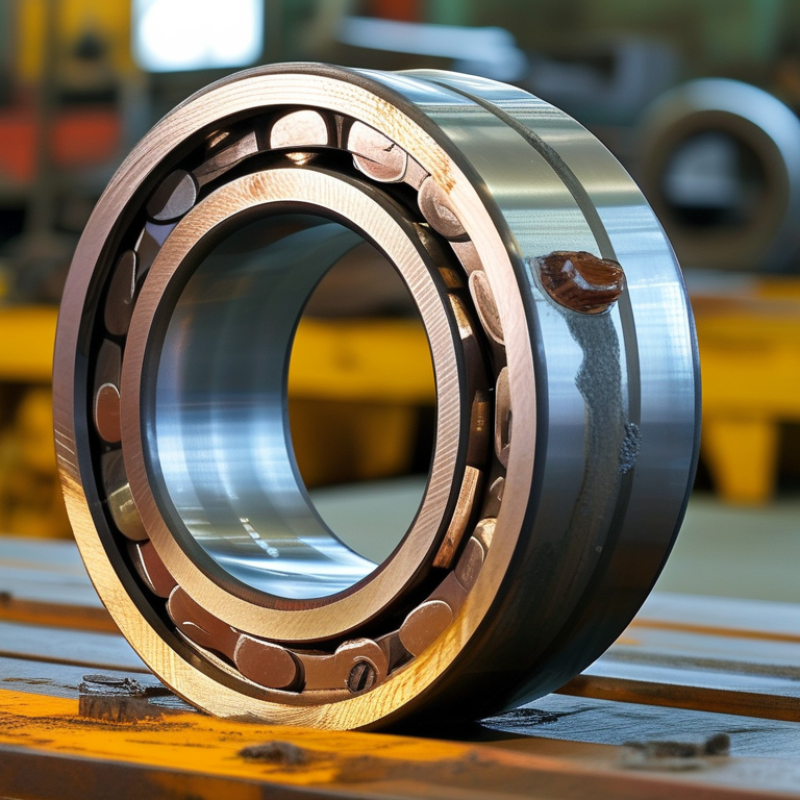
What is Bearing Steel and Why is it Important for Purchasers?
Bearing Steel plays a crucial role in a wide range of applications. It is the foundation for machinery that requires high precision and reliability. John Smith, a leading expert in materials engineering, once said, “Choosing the right bearing steel can make or break your project.” This highlights the importance of understanding specific bearing steel types.
Purchasers must know the distinctive properties of bearing steel. This steel is engineered to withstand high loads, fatigue, and wear. However, selecting the wrong type can lead to premature failure and costly downtime. Quality also varies significantly among suppliers. Hence, research and expert advice are essential.
The market is changing, with new technologies emerging. Not all bearing steels are created equal. Therefore, buyers should focus on reputable suppliers who ensure compliance with industry standards. As the industry evolves, staying informed is vital for making the best choices in bearing steel.
What is Bearing Steel?
Bearing steel is a specialized material designed to withstand high stress and friction, commonly used in bearings for machinery and vehicles. This type of steel has unique properties that provide durability and reliability under harsh conditions. The alloy composition typically includes chromium, which enhances hardness and wear resistance. The process of heat treatment further improves these qualities, making bearing steel essential for high-performance applications.
Purchasers must understand the characteristics of bearing steel. It not only affects the longevity of machinery but also impacts operational efficiency. A poor choice in bearing material can lead to frequent failures, resulting in costly downtimes. The unique microstructure of bearing steel contributes to its ability to handle loads effectively. However, it's crucial to consider variations in quality. Not all bearing steels are equal; some may have defects that compromise performance.
Maintenance practices also play a role in the effectiveness of bearing steel. Regular inspections can reveal wear patterns, helping to prevent unexpected failures. Proper lubrication reduces friction and extends the life of bearings. Using the right type of bearing steel in conjunction with sound maintenance strategies is vital. Awareness of these aspects can lead to better purchasing decisions and enhanced machinery performance.
The Composition and Properties of Bearing Steel
Bearing steel plays a vital role in machinery and equipment. It is specifically designed to handle loads and resist wear. The composition of bearing steel typically includes high carbon content and alloying elements. These factors enhance hardness and improve overall durability.
The properties of bearing steel are crucial for performance. It exhibits high fatigue strength, which prevents failure under repeated stress. The steel can also withstand high temperatures. However, not all bearing steels are created equal. Variations in composition may lead to differences in performance. Some steels may corrode more easily, while others may be overly brittle.
Purchasers must evaluate these factors carefully. Understanding the material’s properties helps in making informed decisions. It might be easy to overlook minor details, but they can significantly impact the end product. Different applications require different grades of steel. This complexity increases the need for thorough evaluation. Sometimes, relying solely on general specifications may not yield the best results.
Types of Bearing Steel and Their Applications
Bearing steel is a crucial material in various industrial applications. Different types of bearing steel are tailored for specific use cases. High-carbon chromium steel is popular due to its excellent wear resistance. This type can handle high loads but may be prone to cracking under extreme stress.
Another common type is stainless bearing steel. It offers enhanced corrosion resistance. This is particularly beneficial in environments with moisture or corrosive substances. However, stainless steel can be softer, which might reduce its load-bearing capacity. Understanding the nuances of each type allows purchasers to make informed decisions.
One must consider the application when choosing bearing steel. For high-speed applications, low-friction bearing steel is crucial. Yet, this comes at the cost of wear resistance. Each material has advantages and drawbacks. The right choice depends on balancing performance with durability.
Significance of Bearing Steel in Industrial Purchases
Bearing steel is crucial in industrial applications. Its unique properties enhance the performance and longevity of machinery components. According to industry reports, more than 80% of bearings require high-quality steel to function effectively. This demand illustrates the importance of selecting the right materials for manufacturing.
The significance of bearing steel goes beyond mere performance. Studies show that using superior-grade steel can potentially reduce maintenance costs by up to 30%. This statistic highlights the economic advantages for purchasers. High-quality bearing steel offers better resistance to wear and fatigue. A well-chosen bearing can lead to fewer breakdowns and increased productivity over time.
Many manufacturers face challenges when sourcing bearing steel. Price fluctuations and quality inconsistencies are common issues. Buyers often struggle to find reliable suppliers. Understanding metallurgical properties can aid in making informed decisions. Ensuring that you select the appropriate grade of bearing steel is essential. This consideration ultimately influences the overall success of industrial operations.
Importance of Bearing Steel in Industrial Purchases
Factors to Consider When Purchasing Bearing Steel
When purchasing bearing steel, several key factors require careful consideration. Material properties, such as hardness and fatigue resistance, play a significant role. For example, according to a report by the International Journal of Mechanical Sciences, bearing steel should exhibit a Rockwell hardness of at least HRC 60 to ensure durability. This quality affects performance and longevity in various applications.
Furthermore, the manufacturing process influences the steel's reliability. The heat treatment method used can enhance characteristics like tensile strength and wear resistance. Industry data shows that properly heat-treated bearing steel can increase service life by 30% compared to untreated variants. Another aspect is dimensional accuracy; tolerance levels are crucial for proper fit in machinery. A report by the American Society for Testing and Materials indicates that deviations beyond 0.001 inches can lead to premature failure in high-speed applications.
Additionally, sourcing from reputable suppliers is essential. Reviewing certifications, like ISO 9001, guarantees that the manufacturer adheres to quality standards. However, not every supplier meets these benchmarks, and it's vital for purchasers to verify credentials before making decisions. Balancing these factors ensures that the selected bearing steel meets the operational needs while minimizing risks.
What is Bearing Steel and Why is it Important for Purchasers? - Factors to Consider When Purchasing Bearing Steel
| Property | Description | Importance |
| Hardness | Resistance to deformation and wear. | Ensures longevity and performance of bearings. |
| Tensile Strength | Ability to withstand loads without breaking. | Critical for reliability under heavy loads. |
| Corrosion Resistance | Resistance to oxidation and degradation. | Increases lifespan in harsh environments. |
| Fatigue Strength | Resistance to failure under cyclic loading. | Essential for repetitive motion applications. |
| Machinability | Ease of shaping and finishing the steel. | Affects manufacturing efficiency and cost. |