What is an Angle Head Holder and How is it Used?
An Angle Head Holder is an essential tool in machining and manufacturing. It allows for greater flexibility and precision in various applications. This device can hold cutting tools at different angles. This capability enhances productivity and efficiency in complicated tasks.
Using an Angle Head Holder involves attaching it to a milling machine or similar equipment. It enables the operator to adjust the angle for better access to hard-to-reach areas. Proper setup is crucial for optimal performance. Users often struggle with alignment issues, leading to potential errors. Like any tool, it requires practice to master.
Without sufficient understanding, operators may waste time and materials. Familiarity with the Angle Head Holder’s design can prevent these mistakes. Recognizing the nuances in its use is vital. Each project is unique, which makes adaptability key. The Angle Head Holder truly demonstrates how ingenuity can simplify complex tasks.
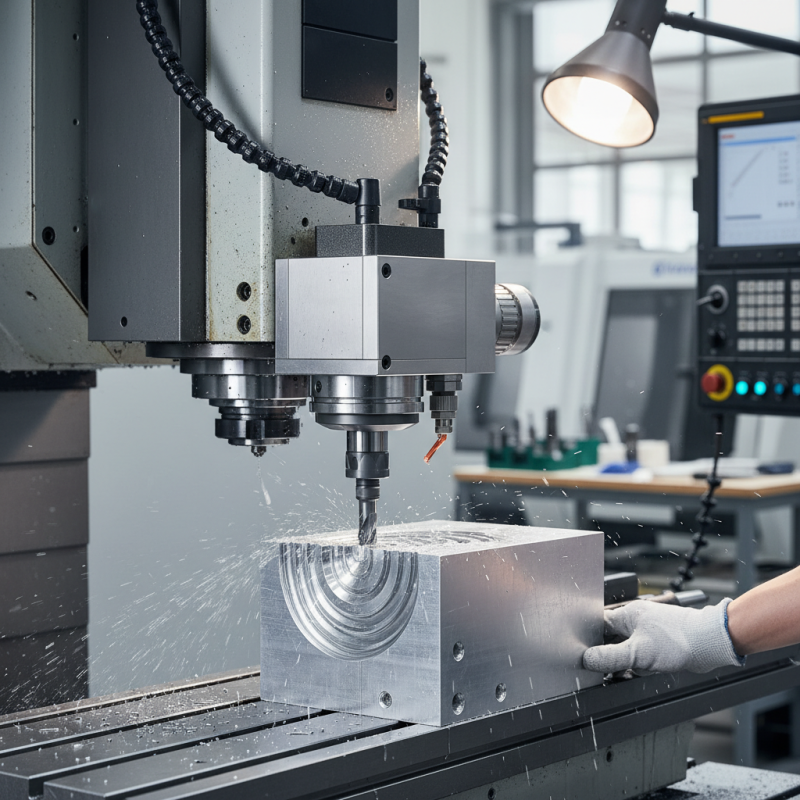
What is an Angle Head Holder? Definition and Overview
An Angle Head Holder is a specialized tool used in machining. It allows for precise positioning of tooling at various angles. This tool can increase flexibility in milling and drilling applications. Often made from robust materials, it features an adjustable head. This adjustability helps operators achieve specific angles essential for their projects.
Using an Angle Head Holder can be straightforward, yet it requires careful setup. The operator must ensure that the head is securely fastened. Inaccuracies during setup can lead to undesirable results. Machinists should double-check their angles before commencing work. This tool is beneficial for complex projects, yet it can also pose challenges in measuring angles accurately.
While the Angle Head Holder enhances productivity, users should remain vigilant. Errors can occur if the tool is misaligned. Additionally, keeping the holder clean is crucial for its longevity. Over time, wear and tear can affect its performance. Periodic inspections become essential to maintain its functionality. The tool is a valuable asset, demanding attention to detail and regular maintenance.
Key Components of an Angle Head Holder: Design and Functionality
An angle head holder is a specialized tool used in machining. Its primary function is to position cutting tools at various angles. This allows for greater versatility in manufacturing processes. The design of an angle head holder is critical. It typically includes a housing to secure the tool and a mechanism to adjust the angle.
Key components include the body and the angular adjustment features. The body is usually made from durable materials for strength. Adjusting the angle should be easy, yet precise. However, there may be issues with calibration. If not set correctly, the cuts can be inaccurate. This reflects on the importance of proper training for users. Many technicians overlook this aspect.
Another aspect is the interface for attaching cutting tools. It needs to be compatible with various devices. An imperfect fit can lead to problems during operation. Users often find themselves frustrated with tool changes. Proper maintenance can also be a challenge. Regular inspections are required to ensure optimal function. Ultimately, while angle head holders are crucial, they demand constant attention and care.
Applications of Angle Head Holders in Milling and Machining
Angle head holders are essential tools in the milling and machining industries. They allow for increased flexibility in the positioning of cutting tools. These devices attach to the machine spindle, allowing the cutting tool to operate at various angles. This unique feature can greatly enhance the capabilities of traditional milling machines.
Applications of angle head holders are diverse. They are particularly useful when machining complex geometries. For instance, when working on components with intricate features, using an angle head can streamline the process. This tool can help achieve tight tolerances and reduce setup times. However, it's crucial to ensure proper alignment during setup. Misalignment can lead to inaccuracies.
In addition, angle head holders improve efficiency by minimizing tool changes. Workers can switch tasks without removing the tool. The right setup can significantly enhance production rates. Yet, improper usage may lead to tool wear or failure. Regular inspection and maintenance are necessary to avoid such issues. With continuous innovation, angle head holders remain a vital part of modern machining processes.
Advantages of Using Angle Head Holders in Precision Manufacturing
Angle head holders are essential tools in precision manufacturing. They allow for flexibility during machining processes. With the ability to change angles easily, they help reduce setup time. This adjustment capability can lead to increased productivity on the shop floor. The use of angle head holders can enhance precision in difficult-to-reach areas.
One major advantage is that they improve the usage of machine tools. Workers can perform complex operations without realigning the material. This not only saves time but also minimizes errors. The precision of cuts becomes more reliable. Such accuracy can mean the difference between a successful project and a waste of materials. However, operators need to learn the right angles to maximize efficiency.
Moreover, angle head holders can be versatile. They accommodate various tools and attachments. This adaptability makes them suitable for diverse projects. Still, it’s essential to note that not all operators feel comfortable using them right away. There might be a learning curve involved, leading to occasional mistakes. These challenges highlight the importance of training and practice.
Market Trends and Innovations in Angle Head Holder Technology
Angle Head Holders are essential tools in various manufacturing processes. Market insights highlight a growing trend toward automation. Innovations in angle head technology are driving this evolution. According to industry reports, the sector is expected to grow by 7% annually over the next five years. This surge reflects the increasing demand for precision and efficiency in machining applications.
Recent technological advancements include lightweight materials and improved designs. These features enhance the performance of angle head holders. Reports indicate that companies focusing on these innovations see a significant rise in productivity. However, the adaptation process can be challenging. Some manufacturers struggle with retraining staff. This transition requires careful planning and execution.
Tips: Invest in training sessions for your team. Bringing everyone up to speed can minimize resistance and errors. Regularly assess the effectiveness of new tools in real-world applications. Engage with feedback from your team to identify areas for improvement. Mistakes can lead to major insights, fostering a culture of continuous learning.