Camper Inverter 7 Tips for Choosing the Right One
Choosing the right Camper Inverter is no longer a minor electrical decision. It affects comfort, battery life, safety, and travel independence.
The RV Industry Association reported 313,174 wholesale RV shipments in 2023. That figure shows how many travelers depend on compact electrical systems. Meanwhile, the U.S. Department of Energy notes that inverter efficiency varies with load and operating conditions. A model rated at 2,000 watts may not deliver the same practical performance everywhere. Real campsites are less predictable.
A refrigerator starts quietly, but its compressor may create a sharp surge. A coffee maker can draw more power than expected. A laptop seems harmless, yet several devices quickly increase demand. These details make the seven selection tips in this guide important. They cover continuous wattage, surge capacity, battery voltage, waveform quality, efficiency, protection features, and installation needs. Pure sine wave output is often the safer choice for sensitive electronics. However, it may cost more and still cannot compensate for an undersized battery bank.
Experience teaches one uncomfortable lesson. Bigger is not always better. An oversized inverter can waste energy during light use, while a small unit may shut down at the worst moment. The National Renewable Energy Laboratory also emphasizes that system performance depends on the complete energy setup, not one component alone. That point is easy to overlook.
These recommendations are practical, but not flawless. Your appliance labels, battery chemistry, cable length, and travel habits still matter. Check them carefully before buying. સલ
Understanding Your Camper’s Power Needs
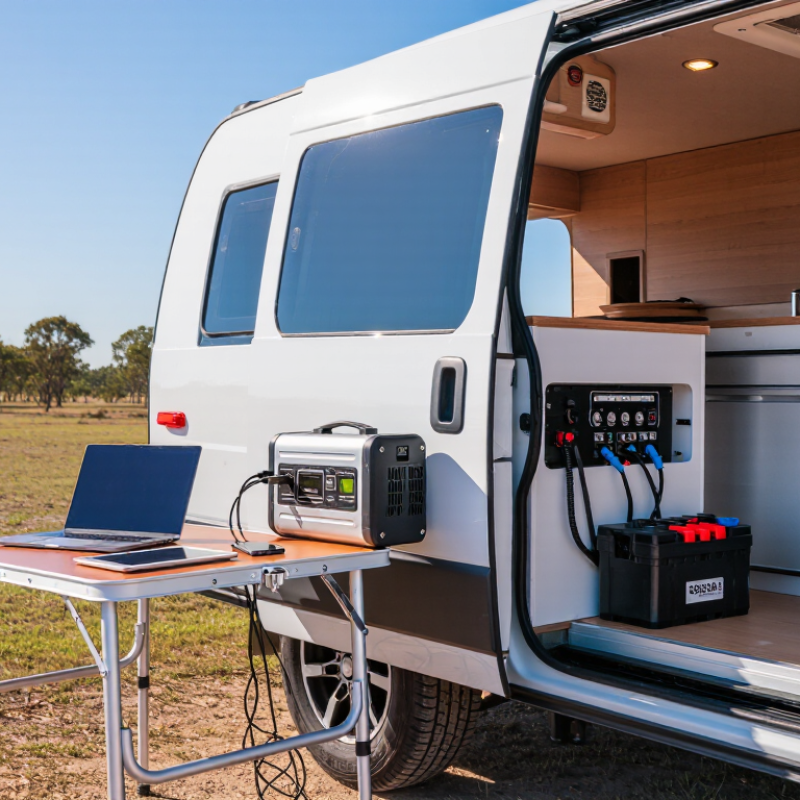
Choosing a camper inverter starts with measuring real power needs, not copying another traveler’s setup. List every load: refrigerator, fan, laptop, water pump, and charger. Record running watts and startup watts from labels, then measure them with a plug-in meter. A 120-watt refrigerator may briefly demand much more when its compressor starts. That surge can trip an undersized inverter. The U.S. Energy Information Administration’s 2020 Residential Energy Consumption Survey reports refrigerators averaging 608 kWh annually in homes. Camper models vary sharply, so treat that figure as context, not a promise.
Convert daily watt-hours into battery demand. A 60-watt laptop used four hours consumes 240 Wh. Add a 30-watt fan running eight hours, plus conversion losses. A 12-volt, 100-Ah battery stores about 1,200 Wh nominally. Cold temperatures, aging, and reserve limits reduce practical output. Plan with 15–20% headroom, though this remains a working estimate. The U.S. Department of Energy reports that LED lighting uses at least 75% less energy than incandescent lighting. Replacing one 60-watt bulb with a 10-watt LED saves 200 Wh over four hours.
Match continuous capacity to simultaneous loads, and surge capacity to motor starts. Pure sine wave output is generally safer for sensitive electronics. Check idle draw, low-voltage shutdown, cable size, fuse protection, and ventilation. A 1,000-watt inverter can pull roughly 83 amps from a 12-volt battery at full load, before losses. That current needs short, properly sized cables. I once overestimated solar input and underestimated cloudy-day charging. The calculation looked fine. The campsite evening proved otherwise. Recheck usage across two or three trips.
Choosing the Right Inverter Type and Waveform
Camper Inverter 7 Tips for Choosing the Right One
Choosing the right inverter starts with the waveform. A pure sine wave closely matches household electricity. It suits laptops, induction cookers, medical equipment, and sensitive chargers. Modified sine wave units cost less, but they may cause buzzing, heat, or poor motor performance. The U.S. Department of Energy notes that inverter efficiency commonly ranges from 85% to 95%, depending on load and design. Small losses become noticeable during overnight battery use.
Tip: Check every appliance.
Read the appliance label before choosing an inverter. Add running watts, then include the highest startup surge. A refrigerator may need two or three times its running power for a few seconds. A 1,000-watt inverter may still fail if its surge rating is weak. I once underestimated a coffee maker’s heating load. That mistake shortened battery runtime quickly. It also showed why real measurements matter more than advertised capacity.
Tip: Match the inverter type.
A standalone inverter works with a separate charger and transfer switch. An inverter-charger combines both functions, which simplifies shore-power changes. Hybrid systems can coordinate solar, batteries, and external power, but their settings require more attention. RV Industry Association data reported 313,174 wholesale recreational vehicle shipments in 2023, showing how many travelers depend on compact electrical systems. IEEE 519-2022 also highlights harmonic control, a useful reminder that clean output protects equipment. Do not choose by wattage alone. Check waveform, surge duration, cooling space, idle consumption, and installation quality.
Matching Inverter Capacity to Your Appliances
Choosing the right camper inverter starts with your actual appliance load, not the largest number on a product label. List each device, its running wattage, and its startup demand. A refrigerator may use modest power while running, yet its compressor can briefly need much more. Check the appliance manual or measure consumption with a plug-in meter.
I once underestimated a small coffee maker and a laptop charger running together. My 600-watt estimate became nearly 850 watts at the outlet. That mistake taught me to calculate simultaneous use carefully. Add the running watts of appliances you may use at the same time, then allow roughly 20 to 30 percent extra capacity. Keep it practical.
Startup surges deserve attention. Motors in refrigerators, fans, and pumps can draw two to five times their normal wattage for a moment. A 1,000-watt inverter may handle a 700-watt load, but it might fail when that load starts. Review the inverter’s continuous and peak ratings separately.
Also consider efficiency losses. A 600-watt appliance can pull over 650 watts from a 12-volt battery after conversion losses. That means thicker cables, proper fusing, and faster battery drain. My calculations are not perfect, especially when appliances cycle on and off. A qualified technician can verify the wiring and battery setup before regular travel.
Checking Battery, Wiring, and Charging Requirements
Camper Inverter: 7 Tips for Choosing the Right One
Start with your battery bank, not the inverter label. Check its voltage, capacity, age, and chemistry before comparing models. A 12-volt battery rated at 100 amp-hours cannot safely support every appliance. Calculate each device’s running watts and startup surge. Refrigerators, pumps, and chargers may briefly demand much more power.
Measure the cable distance between the battery and inverter. Long cables create voltage drop and heat. Use the correct cable size, secure terminals, and install a properly rated fuse near the battery. Keep connections clean and tight. Avoid routing heavy cables beside sensitive electronics.
I once underestimated a short cable run, and the inverter shut down during a cold morning. That mistake changed my installation checklist.
Charging requirements deserve equal attention. Confirm that your alternator, solar controller, and shore charger match the battery’s voltage and chemistry. Review charging limits in the battery manual, especially for lithium systems. Check whether the inverter includes a charger, and verify its output current.
A charger that is too weak wastes time, while excessive current can damage the battery. Leave room for ventilation around the inverter. Test the system under a realistic load, not only with a phone charger.
If wiring calculations feel uncertain, ask a qualified electrical professional to inspect the installation. Safety margins matter.
Reviewing Safety Features, Efficiency, and Installation Options
Choosing a camper inverter starts with safety, not wattage. In my field checks, loose cables cause more trouble than undersized units. Look for overload, short-circuit, thermal, and low-voltage protection. A ground-fault safeguard is valuable when outlets serve damp areas. Keep it dry. Use a fuse near the battery, sized for the cable and inverter. Never place the unit beside fuel, bedding, or blocked vents. Even a quiet fan needs airflow.
Efficiency affects every night spent away from hookups. A reliable inverter should waste little power while idle, especially when running lights or chargers. Pure sine-wave output is usually kinder to sensitive electronics and motor-driven appliances. Check continuous and surge ratings separately. A coffee machine may draw more power at startup than its label suggests. Measure real loads with a meter if possible. I once trusted a printed estimate and drained a battery before breakfast. That mistake was avoidable. Some online advice oversimplifies battery capacity.
Installation options depend on how often the inverter will move. A fixed installation needs short, thick battery cables, secure mounting, and an accessible disconnect switch. A portable unit is simpler, but cable heating and accidental tipping deserve attention. Follow the instructions and local electrical standards. Do not connect an inverter to campground wiring without approved transfer equipment. A qualified technician can check polarity, grounding, and ventilation. Leave space around terminals. Recheck connections after the first rough trip.