
Selecting a Paper Box Glue Spraying Machine in 2026 is not just a matter of choosing the fastest model. The right system must match the box style, board surface, adhesive, and production volume. A machine suited to a short-run packaging shop may struggle on a high-speed converting line. The reverse can also be true. Small details count.
This guide introduces common machine types, including manual, semi-automatic, and fully automatic systems, along with roller, nozzle, and programmable spray configurations. Each approach handles glue differently. Rollers can provide steady coverage on suitable surfaces. Spray heads can target specific flaps and glue paths, but nozzle condition and setup matter. A clogged tip or uneven feed may leave thin spots, excess glue, or messy edges. Those defects are easy to overlook during a brief demonstration.
Before comparing models, buyers should check adjustment range, cleaning access, adhesive compatibility, and the time required for changeovers. Ask suppliers to test the machine using your actual box blanks and glue. A smooth sample run is useful, but it does not prove consistent performance across a full shift. This overview focuses on practical trade-offs rather than a single “best” machine. One limitation: no source material was provided to verify a named Paper Box Glue Spraying Machine expert or an attributable quotation, so none is invented here.
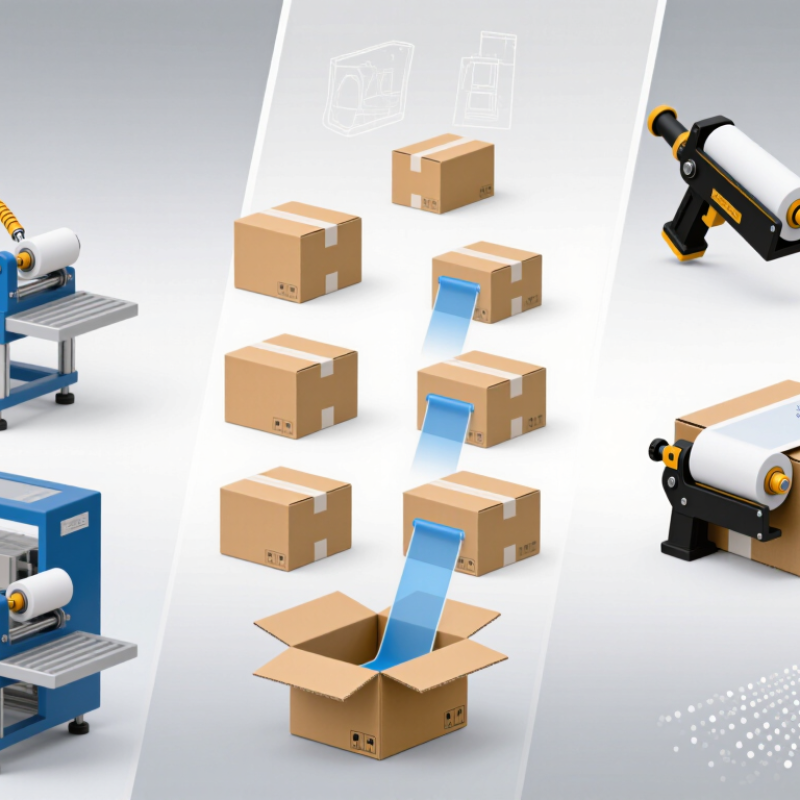
Paper box glue sprayers range from manual and semi-automatic units to fully automatic production-line systems. Manual machines suit short runs and prototypes, where an operator positions each blank beneath a spray head. Semi-automatic models add timed dispensing or conveyor movement, reducing repetitive work without removing setup checks. Small batches matter.
Automatic intermittent machines spray at set points as each box blank pauses or indexes through the line. Continuous systems apply adhesive while blanks move, making them better suited to steady, high-volume output. Multi-nozzle configurations can coat several flaps in one pass. Nozzle spacing must match the box design; a poor setup can leave dry corners or create messy glue buildup.
Adhesive delivery also defines machine type. Cold-glue systems are common for paperboard, while hot-melt units suit applications needing rapid setting. Some machines use controlled spray patterns; others use narrow beads for precise flap bonding. Smithers’ 2023 report, The Future of Global Packaging to 2028, valued the global packaging market at about $1.08 trillion in 2023 and projected growth toward $1.2 trillion by 2028. That broader market signal supports investment in packaging automation, but it does not prove every plant needs a faster sprayer. Match the machine to board thickness, glue viscosity, box geometry, and daily volume. Then test real blanks. Production conditions can be less tidy than the sample run.
2026 Top Types of Paper Box Glue Spraying Machines
A paper box glue spraying machine applies adhesive in controlled lines or patterns as each blank moves through the feed system. Sensors detect the sheet’s position and help time the spray, while adjustable nozzles direct glue onto specific flaps. The goal is even coverage without pooling or stray droplets.
Small details matter.
Nozzle height, spray pressure, and adhesive viscosity all affect the result. A narrow line may suit a small carton flap, while a wider pattern can provide more contact on a larger panel.
After application, the glued blank is folded and pressed so the adhesive bonds the paper layers. Operators commonly check alignment, bond strength, and visible glue marks during setup and production. Paper weight and surface coating can change how adhesive spreads, so settings that work for one board may not suit another.
A short test run helps reveal gaps or excess glue before full production. Still, a clean-looking pattern does not always mean a reliable bond; samples should be checked after the adhesive has had time to set. That extra check can feel slow, but skipping it may create more waste later.
A paper box glue spraying machine depends on a coordinated set of parts, not just its spray head. The adhesive tank or reservoir holds glue and helps maintain a steady supply. In cold-glue systems, a pump moves adhesive through hoses, while a filter catches dried particles that could block a nozzle. Hot-melt systems instead use a heated tank and temperature-controlled lines. Heat settings matter. Glue that is too cool may spray unevenly; excessive heat can affect its working properties.
The spray head shapes the glue pattern and controls where it lands on the box blank. Nozzle size, spray distance, and adhesive viscosity all influence line width and coverage. A conveyor carries each blank beneath the head, while guides or registration sensors keep its position consistent. The control unit coordinates speed and spray timing, so glue reaches the intended flap rather than the folding area. Small parts matter. An operator should check nozzle buildup and test a sample after changing materials or settings. Even with reliable controls, warped blanks or inconsistent glue can produce poor bonds. I would not assume a clean-looking spray pattern guarantees a strong finished joint.
Paper box glue spraying machines are used to bond folding cartons, mailer boxes, gift packaging, and display cases. On a converting line, spray heads can apply adhesive to side seams, closing flaps, corner tabs, or selected panels. This reduces the need to brush glue by hand across each joint. For a tuck box, a narrow spray pattern can keep adhesive inside the seam. Larger panels may need broader, even coverage. Small boxes differ. Their tabs can be easy to overspray.
In food and consumer-goods packaging, equipment is typically selected according to box size, board thickness, line speed, and adhesive type. Operators can check spray width and nozzle distance, then inspect folded samples for gaps, squeeze-out, and lifting edges. Clean edges matter. Too much glue may wrinkle thin paperboard or slow handling; too little can let a seam open during packing. The machine is not a cure-all. Humidity, dusty stock, and uneven feeding can still weaken a bond. A short trial with the actual printed board is often more useful than copying settings from another box. Change one setting at a time, and record the result.
Choosing a paper box glue spraying machine starts with the box, not the brochure. Check board thickness, fold design, line speed, and adhesive viscosity. A nozzle system suits targeted patterns; a roller or slot applicator may suit broader, repeatable coverage. Ask for a trial using your own board and glue. Watch for overspray, uneven beads, and glue reaching the visible surface. Smithers’ The Future of Global Packaging to 2028 projects the global packaging market will reach about $1.2 trillion in 2028, with growth around 3% annually from 2023. That wider demand makes dependable setup and reduced waste practical priorities.
Maintenance is mostly routine, but small misses can become messy. Clean nozzles and filters at each shift change, following the adhesive supplier’s instructions. Check hoses for leaks and inspect spray patterns on scrap board before production. Keep glue within its recommended temperature and viscosity range; record settings when changing batches. Real production is less tidy: recycled board can absorb glue differently, so a proven setting may still need adjustment. Do not increase pressure automatically; it can widen the spray and create more waste.
Tips: Keep a sample of an acceptable glue pattern beside the machine. Compare it after cleaning or changeovers. Log pressure, flow, and cleaning time. Simple records help reveal drift early.
| Machine Type | Best-Suited Work | Typical Adhesive | Key Advantages | Selection Considerations | Routine Maintenance |
|---|---|---|---|---|---|
| Manual glue applicator | Prototypes, short runs, repairs, and occasional box assembly | Water-based PVA or other adhesive specified for the board and application | Low initial cost, simple setup, and flexible handling of varied box shapes | Choose a controllable applicator and confirm that the adhesive is suitable for the substrate. Application speed and consistency depend on the operator. | Clean the applicator after use; prevent water-based adhesive from drying on the nozzle or roller. Check seals and replace worn parts as needed. |
| Semi-automatic nozzle glue sprayer | Small to medium production runs with repeatable glue lines or patterns | Water-based adhesives; some systems can handle hot-melt adhesive if designed for it | More consistent placement than manual application, with adjustable timing and spray patterns on compatible equipment | Check working width, nozzle arrangement, control options, adhesive viscosity range, and compatibility with the box blanks being processed. | Flush or clean nozzles according to the adhesive supplier’s instructions. Inspect hoses, filters, and connections for blockage, leakage, or wear. |
| Roller or wheel glue applicator | Folding cartons and blanks that need a continuous, even glue strip | Typically water-based cold glue, depending on the machine design | Suitable for continuous application and straightforward operation on regular, accessible glue areas | Confirm roller width, adjustment range, board thickness limits, and whether the glue pattern matches the carton design. | Remove adhesive residue from rollers and trays before it hardens. Check roller alignment, surface condition, and glue-feed consistency. |
| Automatic folder-gluer with integrated glue application | High-volume folding-carton work with repeatable feeding, folding, and gluing steps | Commonly water-based cold glue; some configurations support hot-melt application | Combines multiple production steps and can reduce manual handling on standardized jobs | Match the machine to carton style, blank dimensions, required line speed, changeover needs, and available floor space. Verify glue-system compatibility. | Keep glue applicators, feed paths, and folding sections clean. Inspect belts, sensors, guards, and glue-delivery parts using the maker’s service schedule. |
| Hot-melt glue system | Applications requiring rapid setting or bonding on materials compatible with hot-melt adhesive | Thermoplastic hot-melt adhesive selected for the substrate and operating conditions | Can provide fast bonding and is available in bead or controlled-application configurations | Check adhesive temperature requirements, material compatibility, ventilation needs, warm-up time, and operator safety provisions. | Follow the equipment and adhesive instructions for temperature control and shutdown. Inspect heated hoses and applicators; avoid contact with hot components. |
| Hybrid cold-glue and hot-melt system | Production lines handling different carton designs or bonding requirements | Water-based cold glue and hot-melt adhesive, applied through separate compatible circuits | Offers process flexibility when different jobs require different adhesive behavior | Assess whether the added controls, setup, and cleaning requirements are justified by the job mix. Confirm that each adhesive circuit is designed for its material. | Maintain each circuit separately. Use the specified cleaning procedure for each adhesive type, and check valves, filters, hoses, and applicators. |
Selection and maintenance note: Performance and service intervals vary by machine design, adhesive, board, and operating conditions. Confirm compatibility and follow the equipment manual and adhesive supplier’s technical guidance.
To learn more about any of the products and services provided by Abbott Ball Company, Inc., simply complete the form below.